
 5 min read
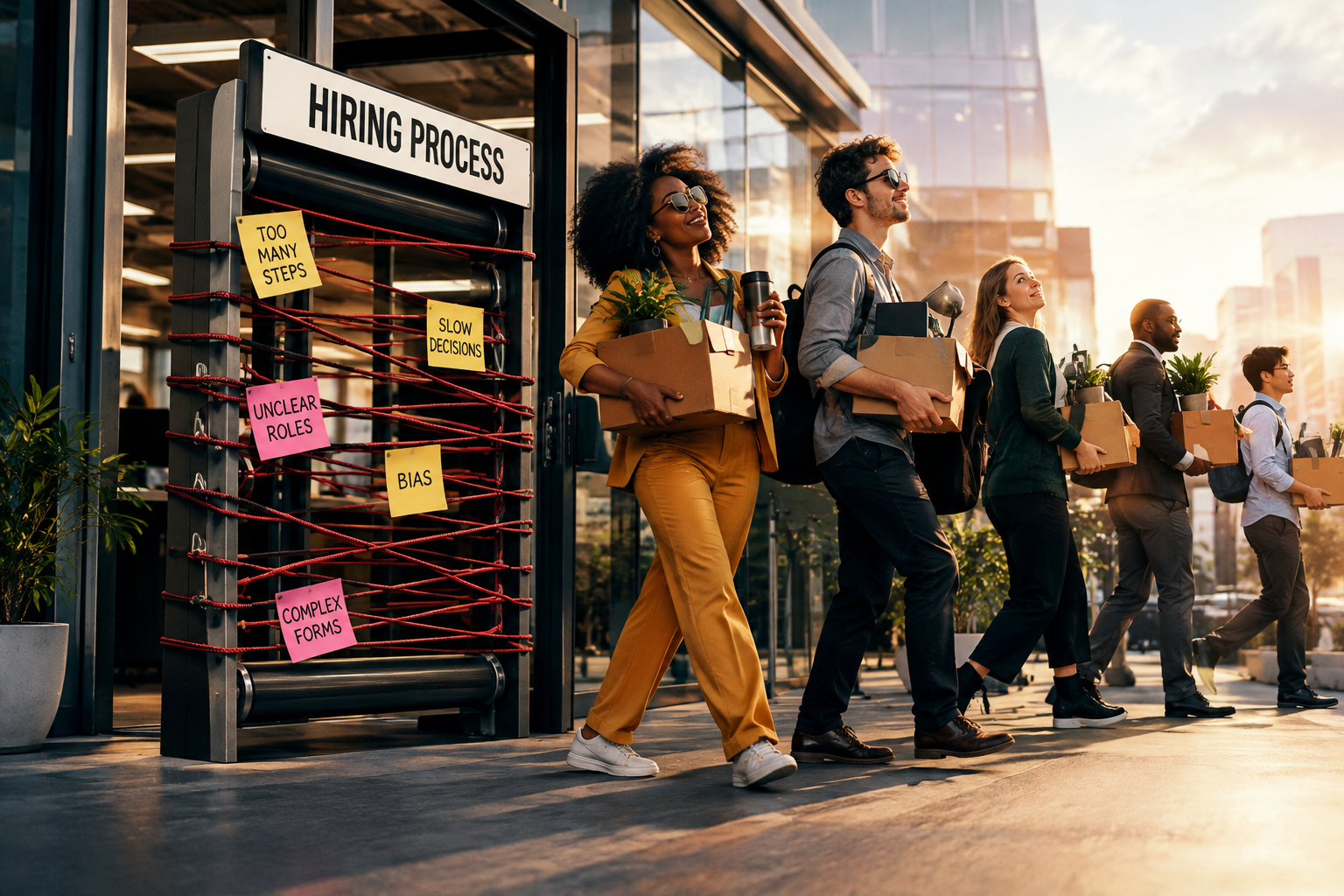
For decades, organizations have blamed retention challenges on labor shortages, generational shifts, or “people just not wanting to work anymore.”
But what if the problem starts much earlier?
What if companies are unintentionally designing hiring processes that exclude qualified people before they even apply?
Across industries, HR leaders are beginning to realize something important: accessibility and equity are no longer “nice to have” conversations reserved for compliance checklists or corporate values statements. They are operational issues directly connected to retention, productivity, and workforce stability.
And the companies paying attention are seeing the difference.
Because inclusive hiring isn’t just about who gets hired. It shapes who stays, who grows, and who feels like they belong once they’re inside the organization.
The First Barrier Often Happens Before the Interview
Most organizations think they’re creating job ads.
In reality, many are creating filters.
Research from Harvard Business Review and LinkedIn continues to show that language in job descriptions dramatically impacts who applies. Words like “rockstar,” “aggressive,” “digital native,” or “fast-paced warrior” may seem harmless internally, but they can unintentionally discourage qualified candidates from applying.
Length matters too. Overloaded requirements lists often eliminate strong applicants who may not meet every qualification but are highly capable of performing the role successfully. Studies consistently show women and underrepresented candidates are less likely to apply unless they meet nearly every listed requirement.
The result? Organizations unknowingly narrow their own talent pool before recruiting even begins.
Inclusive hiring starts with a simple but uncomfortable question:
Are we hiring for actual capability, or for familiarity and comfort?
Accessibility Is Bigger Than Physical Accommodation
When most organizations hear “accessibility,” they think ramps, elevators, or legally required accommodations.
But modern accessibility in hiring extends far beyond physical environments.
It includes:
- Application systems that work across devices
- Interview formats that accommodate neurodiverse candidates
- Flexible communication methods
- Readable, jargon-free job descriptions
- Transparent hiring expectations
- Technology that doesn’t create unnecessary barriers
Many hiring systems unintentionally create friction for candidates with disabilities, cognitive differences, or even limited digital literacy. Long application forms, confusing workflows, and inaccessible career portals quietly push people away.
And often, organizations never realize it’s happening.
The irony? These same companies are simultaneously struggling to find talent.
Equity Is Operational, Not Political
The conversation around equity often becomes polarized before companies even engage with it properly.
But for HR leaders, equity is fundamentally operational.
It’s about ensuring hiring systems consistently identify the best candidates, not just the most familiar ones.
Bias doesn’t always show up loudly. Sometimes it appears in referral-heavy recruiting strategies. Sometimes it’s embedded in interview panels that unintentionally favor similarity over skill. Sometimes it’s hidden inside promotion pathways that reward visibility over contribution.
Organizations with equitable hiring practices often outperform competitors not because they are “checking boxes,” but because they are widening access to talent, perspective, and problem-solving capability.
And in today’s labor market, limiting access to talent is a business risk.
Retention Begins During Recruitment
One of the biggest misconceptions in HR is that retention starts after onboarding.
It doesn’t.
Candidates begin deciding whether they trust an organization during the hiring process itself.
How accessible was communication?
Were expectations clear?
Did interviews feel respectful?
Did the company appear organized?
Did the process reflect the culture being advertised?
When hiring experiences feel chaotic, dismissive, or exclusionary, candidates notice. And employees who enter organizations feeling unseen are less likely to stay engaged long-term.
Inclusive hiring builds psychological safety before day one even begins.
That matters more than many organizations realize.
The Checklist Mentality Is Failing HR
Many organizations still approach accessibility and equity like compliance exercises:
A checklist.
A training module.
A policy buried in a handbook.
But workforce expectations have evolved. Employees increasingly evaluate employers based on how systems actually function, not what leadership claims in presentations or mission statements.
The companies making progress are the ones treating inclusive hiring as a strategic workforce design challenge.
They audit job descriptions.
They simplify application processes.
They train hiring managers on structured interviewing.
They create standardized evaluation criteria.
They proactively discuss accommodations instead of waiting for issues to emerge.
Most importantly, they build systems intentionally instead of assuming fairness happens automatically.
Because it doesn’t.
The Future of Hiring Belongs to Companies That Remove Friction
The organizations winning the talent battle aren’t necessarily the ones with the biggest budgets or flashiest employer brands.
They’re the ones removing barriers.
They understand that accessibility improves usability for everyone.
They recognize that equity improves decision-making quality.
And they know inclusive hiring is not separate from business performance, it directly impacts it.
In a workforce defined by labor shortages, rapid change, and growing employee expectations, companies can no longer afford hiring systems that unintentionally exclude talent.
The future of retention may depend less on perks and more on whether people felt included from the very beginning.
