
 2 min read
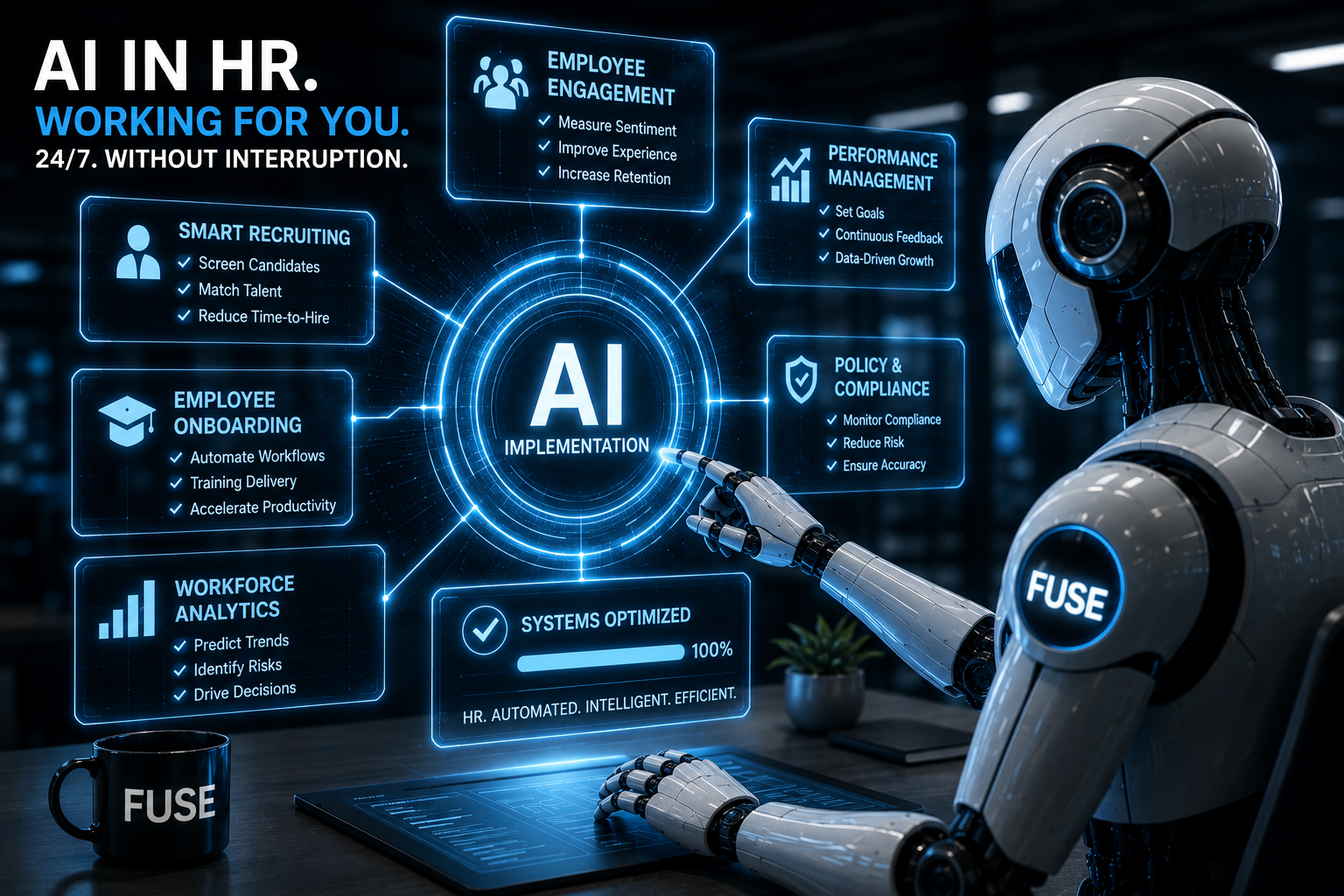
AI is everywhere in HR conversations right now.
Every vendor has it. Every roadmap includes it. Every leadership meeting touches on it.
But here’s the uncomfortable truth: most HR teams aren’t ready for it.
Not because they don’t believe in it, but because the foundations aren’t in place.
Across organizations, HR is still dealing with fragmented systems, inconsistent data, and manual processes that haven’t been fully addressed. Introducing AI into that environment doesn’t fix the problem, it amplifies it.
You can’t automate chaos.
That’s the gap we’re seeing across the market. Adoption is accelerating, but readiness is lagging. HR leaders are being asked to “do more with AI” without having the operational stability required to support it.
And that’s where frustration sets in. Because AI isn’t failing. The environment it’s being introduced into is.
To unlock real value, organizations need to shift their approach. AI should not be the starting point, it should be the accelerator.
First, you fix the fundamentals:
Clean data.
Connected systems.
Clear workflows.
Then, and only then, does AI begin to deliver meaningful outcomes, like identifying payroll anomalies before they happen, surfacing workforce trends in real time, and removing hours of manual reporting.
The organizations that succeed with AI in HR aren’t the ones moving the fastest. They’re the ones building the right foundation first.
Because AI isn’t magic. It’s leverage.
And without structure, leverage just creates bigger problems.
